1. Open-Concept Living With Defined Zones
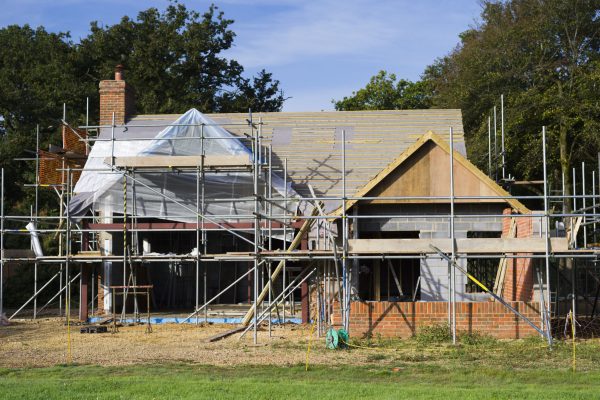
Open spaces continue to dominate, but 2025 brings a balance between openness and functionality. Instead of completely removing walls, homeowners are using partial partitions, accent beams, and glass dividers to create visual flow while maintaining defined areas for living, dining, and work.
2. Sustainable & Eco-Friendly Materials
Eco-conscious remodeling is stronger than ever. Homeowners are choosing:
Recycled or reclaimed wood
Energy-efficient windows
Low-VOC paints
Water-saving plumbing fixtures
LED lighting systems
These materials not only reduce environmental impact but also lower long-term utility costs.
3. Smart Kitchens With High-Tech Features
Kitchens continue to evolve with modern technology. Trending upgrades include:
Smart appliances
Touchless faucets
LED under-cabinet lighting
Quartz and porcelain countertops
Large islands with built-in storage
Functionality, durability, and seamless integration are key pillars of 2025 kitchen design.
4. Spa-Inspired Bathrooms
Bathrooms are becoming personal relaxation retreats. Popular upgrades include:
Walk-in showers with rain heads
Freestanding tubs
Warm lighting tones
Large-format tiles
Built-in niches and storage
Heated floors
These features create a serene, luxurious space within any home.
5. Multifunctional Basements and Bonus Rooms
With more homeowners maximizing every inch of their property, basements are transforming into highly versatile spaces. In 2025, popular conversions include:
Home entertainment rooms
Guest suites
Fitness studios
Home offices
Kids’ playrooms
Rental-ready apartments
Professional basement finishing adds comfort, usability, and significant property value.
1. Verify Licensing, Insurance & Certifications
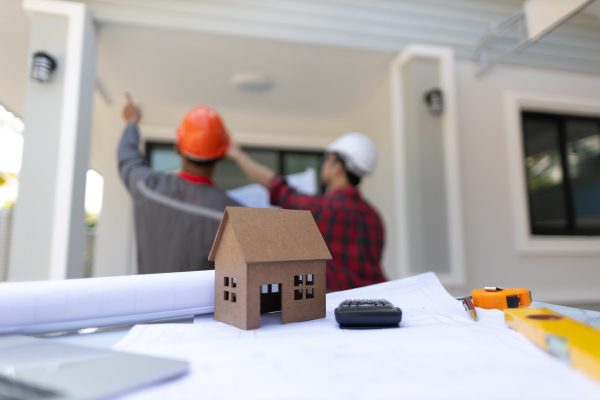
A trustworthy contractor should have the proper licenses and insurance required by your state. This protects you in case of accidents, damages, or project issues. Don’t hesitate to ask for:
Contractor license number
Liability insurance
Workers' compensation coverage
Certifications in specialized trades
A legitimate contractor will provide these documents without hesitation.
2. Review Experience and Specializations
Not all contractors are experts in every type of renovation. Look for a team with experience in the specific services you need, such as:
Kitchen remodeling
Bathroom renovations
Basement finishing
Electrical or plumbing work
Framing, drywall, flooring, or painting
A contractor with a strong track record will deliver higher-quality, more reliable results.
3. Check Reviews, References, and Past Projects
Before hiring, take time to research the contractor’s reputation:
Read online reviews
Review photos of completed projects
Ask for client references
Look for consistency in quality and professionalism
A reputable contractor will gladly share examples of their work and customer feedback.
4. Request a Detailed Written Estimate
A clear estimate should outline:
Labor costs
Materials
Project timeline
Payment schedule
Any warranties offered
Avoid contractors who provide vague quotes or who pressure you to pay large amounts upfront. Transparency is key.
5. Evaluate Communication and Professionalism
Good communication is essential for a smooth renovation. Pay attention to how the contractor behaves during your first interactions:
Do they respond quickly?
Are they clear and honest?
Do they answer your questions?
Are they respectful and detailed?
A contractor who communicates well from the start is more likely to manage your project effectively.
6. Compare Multiple Contractors—Not Just Prices
Price is important, but the lowest bid is not always the best option. Compare:
Quality of materials
Experience
Timeline
Work guarantees
Professionalism
The right contractor offers value, not just a low price.